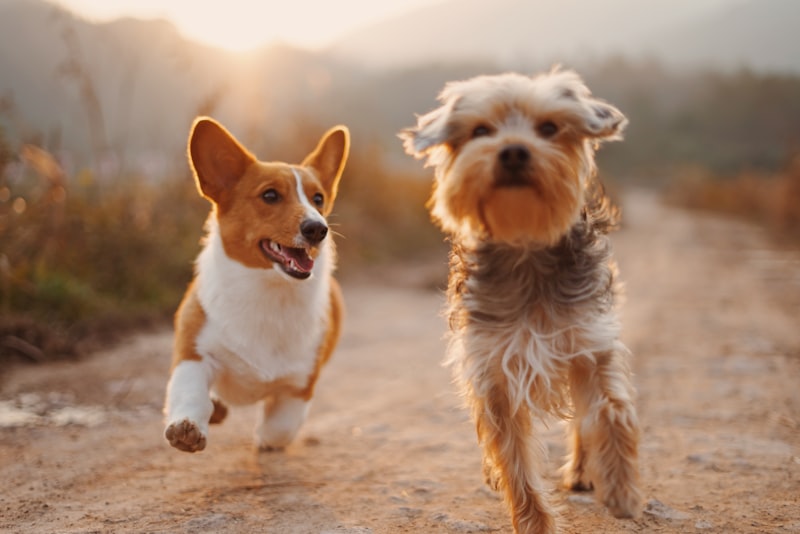
You walked your dog for an hour. They're still bouncing off the walls. Sound familiar?
Here's what most dog owners don't realize: physical exercise alone isn't enough. Dogs need mental exercise too—and mental exercise is actually MORE tiring than physical exercise.
Think about it: After a day of physical labor, you're tired. But after a day of intense mental work (studying, problem-solving, learning), you're EXHAUSTED. Dogs are the same way.
Here are 7 quick brain games you can play right now. Each one takes just 5-10 minutes but will tire your dog out better than a long walk.
🎯 Game #1: The Shell Game Easy
⏱️ 5 minutes
Put 3 cups upside down on the floor. Let your dog watch you hide a treat under one cup. Then let them find it. Once they're good at this, start shuffling the cups to make it harder.
Why it works: Engages their problem-solving skills and natural scavenging instincts.
Pro tip: Start easy and gradually increase difficulty. If your dog gets frustrated, make it easier again.
🔍 Game #2: Treasure Hunt Easy
⏱️ 10 minutes
Have your dog wait in one room. Hide 10 small treats around another room—under pillows, behind doors, in corners. Release your dog and say "find it!" Let them use their nose to locate all the treats.
Why it works: Engages their powerful sense of smell and natural hunting instincts. Sniffing is actually mentally exhausting for dogs.
Make it harder: Hide treats in different rooms, or use smaller treats that are harder to find.
🧊 Game #3: The Frozen Kong Easy
⏱️ 20-30 minutes (passive)
Stuff a Kong with peanut butter, banana, or their regular food mixed with a little water. Freeze it overnight. Give it to your dog—they'll spend 20-30 minutes working to get everything out.
Why it works: The licking and problem-solving required to get the food out is mentally draining. Plus, licking releases calming endorphins.
Best for: When you need to leave your dog alone or need them to settle down.
🎓 Game #4: The New Trick Session Medium
⏱️ 10-15 minutes
Teach your dog something new. It doesn't have to be useful—even silly tricks work. "Spin," "shake," "touch" (nose to your hand), or "bow" are all quick to teach.
Why it works: Learning requires intense focus and mental effort. Dogs have to process information, make connections, and control their bodies in new ways.
Important: Keep sessions short (10-15 minutes max). End on a success, even if it's small.
🥣 Game #5: Muffin Tin Puzzle Easy
⏱️ 5 minutes
Put treats in a muffin tin and cover each hole with tennis balls. Your dog has to figure out how to remove the balls to get to the treats.
Why it works: Simple but effective problem-solving. Most dogs figure it out quickly but find it satisfying.
Variation: Only put treats in some of the holes so they have to check each one.
🧠 Game #6: Name That Toy Hard
⏱️ 10 minutes
Teach your dog the names of their toys. Start with one toy: say the name, show the toy, reward when they interact with it. Once they know one name, add a second toy and practice "get [toy name]."
Why it works: This is advanced cognitive work—learning vocabulary and distinguishing between objects. Border Collies have learned 1,000+ words this way.
Start simple: Pick two toys that look very different. Name them something distinct.
🧩 Game #7: The "Wait" Challenge Medium
⏱️ 5 minutes
Put a treat on the floor. Have your dog "wait" while you slowly back away. Release them after a few seconds. Gradually increase the distance and time they have to wait.
Why it works: Impulse control is mentally exhausting. Fighting the urge to grab the treat requires real brain power.
Advanced version: Put the treat on their paw or nose and have them wait for your release command.
The Science: Why Brain Games Work
Dogs' brains are wired for work. They were bred for jobs—herding, hunting, guarding—that required problem-solving and focus. When we bring them into our homes and give them nothing to do, their brains have nowhere to go.
Brain games give them an outlet for that mental energy. When their brain is satisfied, they naturally become calmer, more focused, and less likely to engage in problem behaviors.
💡 Pro Tip: The best time for brain games is before you leave for work, before guests arrive, or whenever your dog usually acts out. A mentally tired dog is a well-behaved dog.
Create a Daily Brain Training Routine
For best results, make brain training a daily habit:
- Morning: 10-minute game before you leave for work
- Afternoon: Frozen Kong or puzzle feeder for lunch
- Evening: 5-minute training session before dinner
That's just 15-20 minutes of active time per day, but the difference in your dog's behavior will be dramatic.
Want More Brain Games?
These 7 games are just the beginning. Discover 21 progressive brain training games designed to challenge your dog at every level.
Get the Complete System →What If My Dog Gets Frustrated?
If your dog seems frustrated during a game:
- Make it easier—you may have moved too fast
- Take a break and try again later
- End on a success, even if it's a simple one
- Use higher-value treats to increase motivation
Brain games should be fun, not stressful. The goal is to challenge them just enough to be engaging, not so much that they give up.
Start Today
Pick one game from this list and try it right now. It takes just 5-10 minutes, and you'll see immediately how much more calm and satisfied your dog is afterward.
A mentally tired dog is a happy dog—and a much easier dog to live with. 🐕
Ready for Advanced Brain Training?
Get the complete 21-game system used by 67,000+ dog owners to transform their dogs' behavior.
Get Started Today →